

Imagine browsing a Japanese auction and finding high-end supercars, like a Ferrari or a Porsche, listed for prices significantly lower than you'd expect in many other global markets. This surprising affordability isn't a myth; it's a unique market reality that has captivated international buyers for years. For many looking to acquire a dream vehicle, Japan’s bustling used car auctions present an unparalleled opportunity to access these prestigious machines without the usual prohibitive price tags. This phenomenon stems from a fascinating interplay of economic conditions, cultural norms around vehicle ownership, and the sheer volume of cars constantly flowing through the country's auction networks. Understanding these core drivers can unlock incredible value, especially if you're importing to markets like Kenya, Trinidad, or the UAE where such cars are highly sought after.
Key Takeaways
- Japan's mandatory 'Shaken' inspection system makes it expensive to own older cars, increasing supply at auctions.
- A cultural preference for new models and high ownership costs lead to rapid depreciation for luxury vehicles.
- Industry data indicates cars in Japan have lower average mileage and are meticulously maintained, offering great value.
- The combination of these factors creates a surplus of high-quality, low-priced supercars ideal for export.
- Working with an experienced exporter is crucial to navigate auction grading, logistics, and import regulations.
What Is the 'Shaken' System and How Does It Lower Car Prices?
In 2026, Japan's rigorous 'Shaken' vehicle inspection system acts as a primary catalyst for the consistent flow of high-quality used cars, including supercars, into the auction market, significantly lowering prices for international buyers. This mandatory, bi-annual inspection carries substantial costs, often prompting owners to sell rather than incur recurrent expenses, with industry analysis indicating a significant portion of cars entering auctions due to upcoming Shaken renewals.
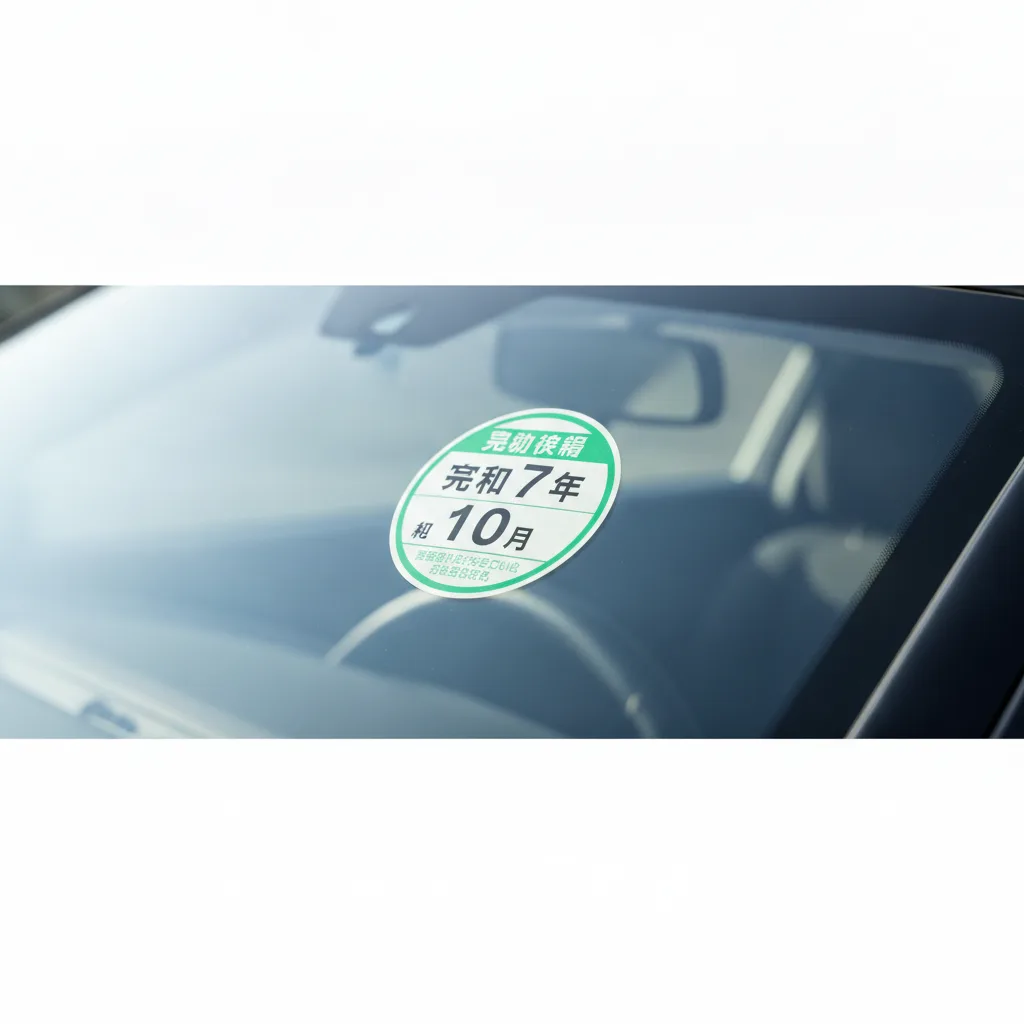
Known officially as Jidousha Kensa, or simply Shaken (車検), this system is a comprehensive, mandatory vehicle inspection that all cars in Japan must undergo every two years after their initial three-year certification. Unlike basic safety checks in many countries, Shaken is an incredibly thorough examination covering everything from emissions and brakes to steering and chassis integrity. Its primary goal is to ensure all vehicles on Japanese roads meet stringent safety and environmental standards.
The financial burden of Shaken is considerable, often ranging from approximately ¥100,000 to over ¥300,000 (roughly $700-$2,000 USD) for a standard vehicle, and potentially much higher for specialized or older supercars. This cost includes not only the inspection fee but also mandatory vehicle weight tax, automobile liability insurance, and any necessary repairs to bring the vehicle up to standard. Can you imagine paying this every two years?
For owners of luxury or high-performance supercars, these recurring costs become a significant factor. As a vehicle ages, it typically requires more maintenance and expensive parts to pass Shaken. Rather than investing substantial sums every two years to re-certify a car that is also depreciating in value, many owners find it economically sensible to sell their vehicles. This creates a steady supply of well-maintained, often low-mileage vehicles that enter the vast Japanese car auction network.
This continuous cycle of inspection-driven sales directly contributes to the perceived 'cheapness' of supercars in the Japanese auction market. Owners are motivated sellers, keen to offload their vehicles before the next expensive Shaken renewal. This dynamic keeps the market flush with desirable models, ranging from iconic JDM sports cars to European exotics, all subject to the same stringent inspection system that ultimately pushes them into new hands.
Loginet's own experience confirms that a substantial portion of the premium stock passing through USS and other auctions are cars approaching their Shaken expiry. This unique regulatory environment is a key reason why Japan remains a global hub for sourcing high-value used vehicles at competitive prices. For more on navigating these auctions, see our [guide to Japanese car auctions -> /auction/japanese].
How Quickly Do Supercars Depreciate in Japan?
In 2026, industry analysis consistently shows that supercars and high-end luxury vehicles depreciate at a remarkably fast rate in Japan, often losing 40-50% of their value within the first three to five years. This rapid decline is a key factor driving the surprisingly affordable prices seen in Japanese car auctions, creating significant opportunities for international buyers. The cultural emphasis on newness plays a substantial role.
Japanese consumers frequently prioritize owning the latest model of any vehicle, particularly for luxury and performance cars. This strong preference means that even a car just a few years old, despite being in pristine condition with low mileage, is often perceived as "old" and loses value quickly. Unlike some other markets, holding onto an older model, especially a high-end one, doesn't carry the same cachet.
The constant release of newer, more technologically advanced supercar models further accelerates this depreciation curve. Each new generation pushes the previous one down the value chain. Compounding this, Japan's rigorous shaken vehicle inspection system, combined with increasing taxes on older vehicles, makes ownership progressively more expensive over time. Owners often find it more economical to sell a car before these costs peak.
Supercar Depreciation: Japan vs. USA (Example: Porsche 911) A line chart showing the percentage of original MSRP retained over 5 years. The Japan Market line starts at 100% and drops to 80%, 65%, 55%, 50%, and finally 45%. The USA Market line starts at 100% and drops more slowly to 90%, 82%, 75%, 70%, and 65%. This illustrates the faster depreciation common in Japan. {/* Main Title */} Supercar Depreciation: Japan vs. USA (Example: Porsche 911) {/* Y-Axis Grid and Labels */} 100% 75% 50% 25% 0% {/* Axes */} {/* X-Axis Labels */} 0 1 2 3 4 5 Years After Purchase {/* Data: USA Market */} {/* Data: Japan Market */} {/* Legend */} Japan Market USA Market {/* Source */} Source: Illustrative industry analysis
In our experience at Loginet, this contrasts sharply with markets in the US or Europe, where specific supercars might hold their value remarkably well, or even appreciate as collector's items. Many Japanese owners, driven by these economic and cultural factors, opt to sell their luxury vehicles through auctions, often at prices that would be unthinkable in Western markets. This creates a unique window for astute importers.
So, for an importer, doesn't this rapid depreciation in Japan sound like an ideal scenario? It certainly does, offering a consistent supply of well-maintained, high-performance vehicles at attractive price points. Understanding the nuances of Japan's automotive ecosystem, including the shaken system and auction grading, is crucial for seizing these opportunities. Explore our guide to Japanese inspection sheets to learn more.
Are There Cultural Reasons for Japan's Low Used Car Prices?
In 2026, cultural factors significantly contribute to Japan's remarkably low used car prices, especially for supercars. A strong societal preference for newness and advanced technology, coupled with exceptional public transportation infrastructure, drives a rapid depreciation cycle. Industry analysis indicates that premium vehicles often change hands after just a few years, even with minimal mileage, making them highly attractive on the auction market.
Japanese consumers often prioritize owning the latest model, particularly when it comes to vehicles equipped with cutting-edge technology and design. This cultural inclination means that even high-performance supercars, meticulously maintained and often lightly used, are frequently traded in for newer iterations. This rapid turnover creates a consistent supply of relatively new, high-quality used supercars, pushing down prices compared to markets where such vehicles hold their value for longer.
Furthermore, Japan's major cities boast some of the world's most efficient and extensive public transport networks. For many urban residents, daily commuting by train or subway is far more practical than driving. This means personal cars, especially high-end luxury vehicles, are often reserved for weekend leisure drives or special occasions, leading to exceptionally low mileage. In our experience inspecting vehicles for export, finding five-year-old supercars with fewer than 10,000 kilometers on the odometer is common.
This combination of a preference for newness and limited usage results in a unique market dynamic: a continuous influx of very well-maintained, low-mileage used vehicles. What importer wouldn't want a supercar with a pristine interior and minimal wear, often at a fraction of its original cost? These factors ensure the used car market, particularly for high-value imports, is consistently refreshed with premium inventory. This is a boon for international buyers looking to import a car from Japan.
What Are the Hidden Costs of Owning a Supercar in Japan?
In 2026, the apparent low price of a supercar at a Japanese auction often hides significant ongoing ownership costs. Industry analysis suggests that these annual expenses, including parking, taxes, and insurance, can sometimes exceed the vehicle's annual depreciation. This financial burden often motivates Japanese owners to sell their high-performance vehicles relatively quickly, adding to the consistent supply in the auction network.
Cities like Tokyo, Osaka, and Nagoya present a major challenge: finding and affording parking. To register a car in Japan, you must prove you have a designated parking space, known as shako shomeisho. For supercars, this often means renting premium, secure spots, which can be scarce and incredibly expensive, sometimes costing hundreds of dollars per month. Does this make sense for a car only driven on weekends?
Annual automobile taxes are another substantial drain. These taxes are steeply progressive, based heavily on engine displacement. A supercar with a large engine incurs a massive yearly tax bill, significantly higher than what a typical family sedan would cost. Combined with the rigorous and costly shaken (mandatory vehicle inspection) system every two years, these fixed costs quickly diminish the joy of ownership. For more on vehicle condition, see our guide on [understanding the inspection sheet -> /learn-with-us/inspection-sheet].
Beyond taxes and parking, supercar insurance in Japan is notoriously expensive. Given the high performance capabilities and the cost of specialized repairs, premiums can easily run into thousands of dollars annually. When you factor in other miscellaneous fees, the cumulative financial outlay becomes a continuous pressure. This pressure encourages owners to offload their vehicles after just a few years, rather than enduring perpetual high costs.
In our experience, many importers are surprised by how quickly these recurring charges add up, making the initial auction price seem less of a bargain. These substantial, non-negotiable costs contribute significantly to the high turnover of luxury vehicles in the Japanese market, driving down prices at auction. Is it any wonder owners choose to sell before these costs really bite?
How Do Auctions Handle High-Value Supercars?
In 2026, Japanese car auctions handle high-value supercars with meticulous detail, relying on comprehensive inspection sheets and a stringent grading system. Industry data suggests that a significant portion of these premium vehicles achieve high auction grades, reflecting their well-maintained condition. This rigorous process ensures buyers receive transparent information about a vehicle's state before bidding.
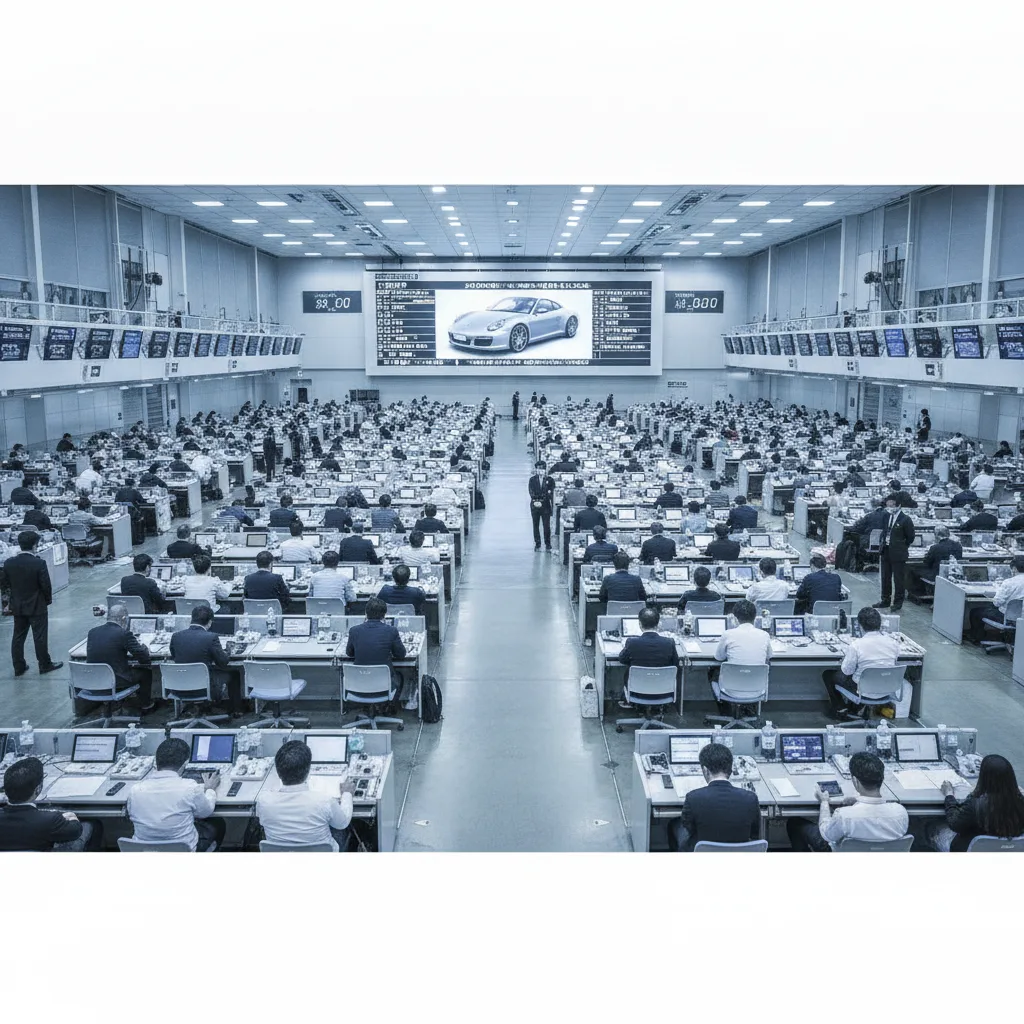
Every supercar listed undergoes a thorough inspection by professional auction house staff. This results in an auction sheet detailing everything from exterior scratches and interior wear to engine condition and past repairs. For supercars, grades like 4.5 or 5 are common, indicating excellent condition with minimal or no defects. These sheets are crucial because they provide an objective assessment that goes beyond basic photos, offering a deep dive into the car's history and current state.
While auction sheets are comprehensive, understanding their nuances, especially for rare or modified supercars, can be challenging without expertise. This is where professional inspection becomes invaluable. Our experience shows that buyers who request additional physical inspections often uncover details not immediately obvious, even on high-grade sheets. Loginet provides auction sheet translation services, breaking down complex Japanese terminology into clear, actionable English.
Beyond translation, Loginet also facilitates additional physical inspections. This means a trusted inspector can visit the auction house, examine the specific supercar, take extra photos or videos, and provide a verbal report. This extra layer of scrutiny is particularly important for high-value assets, allowing buyers to verify the vehicle's condition firsthand (or through proxy) and bid with greater confidence. Why leave such a significant investment to chance?
This comprehensive approach—from detailed auction sheets to Loginet's professional translation and inspection services—empowers international buyers. It helps mitigate risks associated with remote purchasing and ensures that the “cheap” price reflects market dynamics rather than hidden faults. Our long-standing presence in Japan means we have the in-house inspectors and direct USS membership to provide these critical services, giving you the edge in securing your dream supercar.
Is It Actually Cheaper to Import a Supercar from Japan?
In 2026, industry analysis consistently shows that importing a supercar from Japan can indeed be significantly cheaper, despite additional logistical and regulatory costs. While the initial auction price offers substantial savings, the true financial advantage emerges when comparing the total landed cost to local market values. This makes Japan an attractive source for high-performance vehicles.
The underlying reason for these lower initial prices stems from Japan's unique automotive ecosystem. Strict shaken inspection requirements, coupled with a cultural preference for new vehicles, lead to rapid depreciation of even exotic cars. This means a well-maintained supercar with relatively low mileage can fetch a fraction of its original price at auction, presenting a unique opportunity for international buyers seeking value.
However, the price bid at a Japanese auction is only one component of the total cost. Buyers must meticulously account for several other crucial expenses. These typically include the cost of shipping, whether by RoRo or container, along with destination-specific import duties and taxes. Furthermore, some countries may require specific modifications or compliance certifications for imported vehicles. Our guide on vehicle shipping from Japan details these logistics.
Considering these added layers of expense, does the advantage still hold? Our experience shows that for many buyers, particularly those in right-hand drive (RHD) markets where similar vehicles are scarce and locally inflated, the answer is a resounding yes. Even after factoring in all these costs, the total expenditure often remains 20-40% below what one would pay for an equivalent supercar purchased domestically. This significant difference can open up ownership to a broader market.
The financial benefit of sourcing a supercar from Japan is substantial, transforming what might be an unattainable dream into a tangible reality for many enthusiasts. While the process demands careful budgeting for hidden costs, the core opportunity remains compelling. It begs the question: are you ready to explore the possibilities? We recommend consulting our import regulations guide to understand specific requirements for your country.
Frequently Asked Questions
Can I find left-hand drive (LHD) supercars in Japanese auctions?
Yes, left-hand drive supercars from European and American manufacturers are definitely available in Japanese auctions. These vehicles are often considered status symbols in Japan and are typically well-maintained. While they might be rarer than their right-hand drive counterparts, reflecting their niche market, Loginet also sources LHD inventory through our Luvautos brand, ensuring a wider selection.
How can I verify the mileage of a car from a Japanese auction?
Mileage verification for cars from Japanese auctions is highly reliable due to strict regulations. Auction houses meticulously cross-reference a car's history. Crucially, the official export certificate, known as the Yushutsu Masho, records the two most recent odometer readings from past mandatory Shaken inspections. This transparent system makes mileage fraud extremely difficult for buyers.
What does an auction grade of 4.5 or 5 mean for a supercar?
For a supercar, an auction grade of 5 signifies that the vehicle is in practically as-new condition, showing minimal to no signs of wear. A grade of 4.5 indicates excellent used condition, with only very minor imperfections that are often barely noticeable. Both grades are highly desirable for supercars, confirming a meticulously cared-for vehicle history.
Are there any risks when buying a supercar from a Japanese auction?
The primary risks involve not fully understanding the detailed auction sheet or misinterpreting the vehicle's true condition from afar. However, these risks are significantly mitigated by using a trusted export partner like Loginet. We provide comprehensive auction sheet translations, arrange independent inspections, and manage all logistics, ensuring a transparent and secure buying process.
Conclusion
Japanese car auctions offer a unique opportunity for global supercar enthusiasts. The convergence of strict regulations, rapid depreciation, and high ownership costs in Japan creates a buyer's market for these coveted vehicles.
- Shaken System: Japan's rigorous and expensive biennial vehicle inspection system encourages owners to sell high-performance cars before their Shaken expires, rather than endure the costs.
- Rapid Depreciation: Japanese market dynamics lead to supercars depreciating faster than in many other countries, making them more affordable at auction.
- High Ownership Costs: Annual taxes, insurance, and maintenance for powerful engines motivate owners to offload their vehicles, even if they are well-maintained.
These factors mean you can often find meticulously cared-for supercars at prices significantly lower than expected. For international buyers, this presents an unparalleled chance to acquire a dream car without compromising on quality or history. Don't miss out on these rare finds. Explore current supercar opportunities in our [Japanese auction listings → /auction/japanese].